
Horse racing betting australia quinella work starts with the ticket window, not the leaderboard. You study form, pick two runners, and hope they finish first and second in any order. That simple premise is why the quinella still earns its place on busy race days. I have watched social games chase flashy multipliers while real racing demands patience, form reading, and a clear stake plan. If you want a calm, practical approach before the first bell, keep reading.
Reading the Form and Picking Your Pair
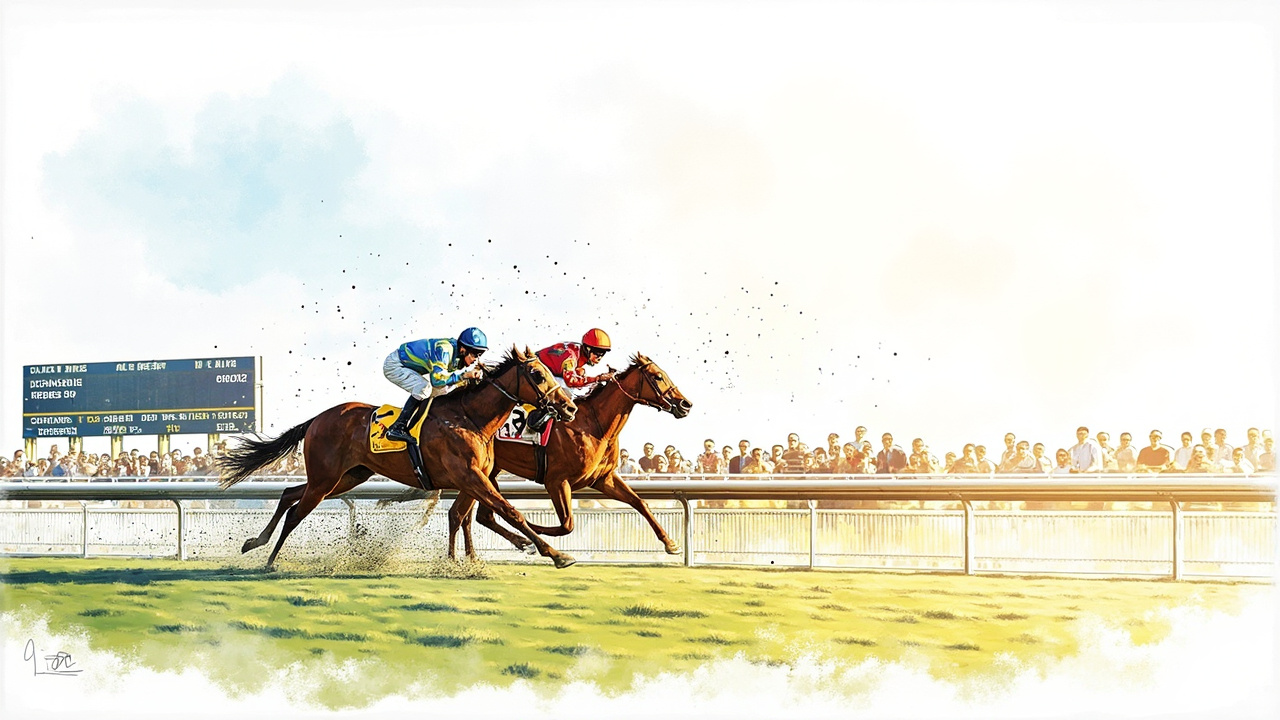
A quinella asks you to name two horses that will cross the line in either order, which sounds forgiving until you see how quickly pace and track conditions split a field. I have built land-based products where players chased exotic payouts without checking sectionals, and the same mistake shows up at the track. Start with the race shape: a soft, heavy track often rewards a steadier horse, while a fast, dry surface can let a front-runner burn the others. Check the past runs, but weigh them against today’s trip and barrier draw. Two evenly matched runners from the same trainer can make a tidy pair, though you still need to see whether they actually like the distance. Melbourne tracks throw extra variables into the mix, from the quirks of a tight home turn to how the rail moves after a long wet spell. When you read the form properly, the quinella becomes a measured selection rather than a blind guess.
| Track Condition | What It Often Means for Your Pair |
|---|---|
| Good to soft | Steady closers can hold on; check recovery from earlier spells |
| Heavy | Pace slows; look for horses with proven stamina over the trip |
| Fast and dry | Front-runners may dictate the race; watch late speed in reserves |
Placing the Ticket Step by Step
If you are new to the ticket window, here is how I would walk you through it over a coffee in the mounting yard. First, settle on your race and your two runners, then decide the stake you are comfortable losing for the day. Second, head to the betting area or use the self-service terminal and look for the quinella box on the race card. Third, enter your two horse numbers and type in the amount, keeping the entry simple rather than chasing a big exotic ladder. Fourth, hand the ticket to the teller or confirm the digital entry, then keep the slip safe until the race settles. Fifth, watch the run with a clear head and let the result land where it may. I have directed social casino flows where we simplified entry to keep newcomers from feeling lost, and the same plain steps work here. No worries about fancy bets if you are still learning; a single, well-read quinella teaches you more than a rushed multi race ticket.
How the Payouts and Stakes Actually Work
The payout on a quinella is set by the pool and the number of winning tickets, which means your return depends on how many others backed the same pair. I have managed iGaming products where fixed odds felt predictable, but racing pools move with every dollar wagered, so the displayed dividend can shift before the final field is declared. A popular combination can pay less than a longer shot pair, even if both tickets win. That is why stake size matters more than chasing a huge number; a smaller, disciplined bet on a reasoned pair often beats a stretched pick driven by a hunch. You can usually take a fixed price early or wait for the tote dividend, and the choice comes down to whether you prefer certainty or the chance of a larger return. Melbourne race days often draw bigger pools, which can push dividends around when a favourite pair lands in plenty of tickets. Treat the odds as information, not a promise, and size your stake to the strength of your read.
Mobile Entries and Staying Within Your Limits
Most serious punters now place quinella entries on their phone, and the experience is only useful if the interface keeps the race card, form guide, and stake entry easy to reach. I have shipped mobile products where cluttered menus sent players hunting for basic controls, and a racing app should do the opposite: clear race times, visible field changes, and a straightforward way to edit or cancel before lockout. Registration and verification usually happen once, with account checks tied to your details and location, so you are not re-proving who you are every time you back a horse. Deposits and withdrawals normally run in Australian dollars, with standard processing times that vary by method, and you should treat any bonus or promotion as a condition-bound offer rather than free money. Support teams are there for account questions and race-day issues, while sensible limits help keep the day enjoyable. If you want to compare racing pool play with a different kind of fixed-odds session, you can read our neighbour piece on multi bet racing for a clearer picture of how those structures differ.
That same discipline matters when building [multi bet racing] strategies, since combining quinellas with doubles or trifectas requires clear visibility on how each leg affects the total outlay. When the app surfaces combined prices early and lets you trim a selection without losing your place in the queue, punters can adjust on the fly instead of second-guessing late scratches. You can read more on how these layered wagers play out across a full race card at https://argameshw.com/stories/multi-bet-racing-246252.

Horse racing betting australia quinella remains a straightforward exotic for punters who do the reading and keep their stakes sensible. Pick the pair, check the track, enter the ticket, and let the race run its course. https://big-bass-bonanza-demo-au.com